- ERP (Enterprise Resource Planning) is a system that manages and connects business activities on a single, unified platform.
- The core value of ERP lies not in the number of features, but in how those features share data with each other.
- ERP is a good fit when a business has many departments, processes, warehouses/branches or ever-growing data.
- Odoo is an integrated ERP platform that lets you pick the modules you need and expand step by step.
What is ERP?
ERP (Enterprise Resource Planning) is an enterprise resource planning system that helps businesses manage and connect their business activities on a single, unified platform. Instead of each department using its own software or Excel files, ERP connects data across Sales, CRM, Inventory, Purchasing, Accounting, Manufacturing and HR.
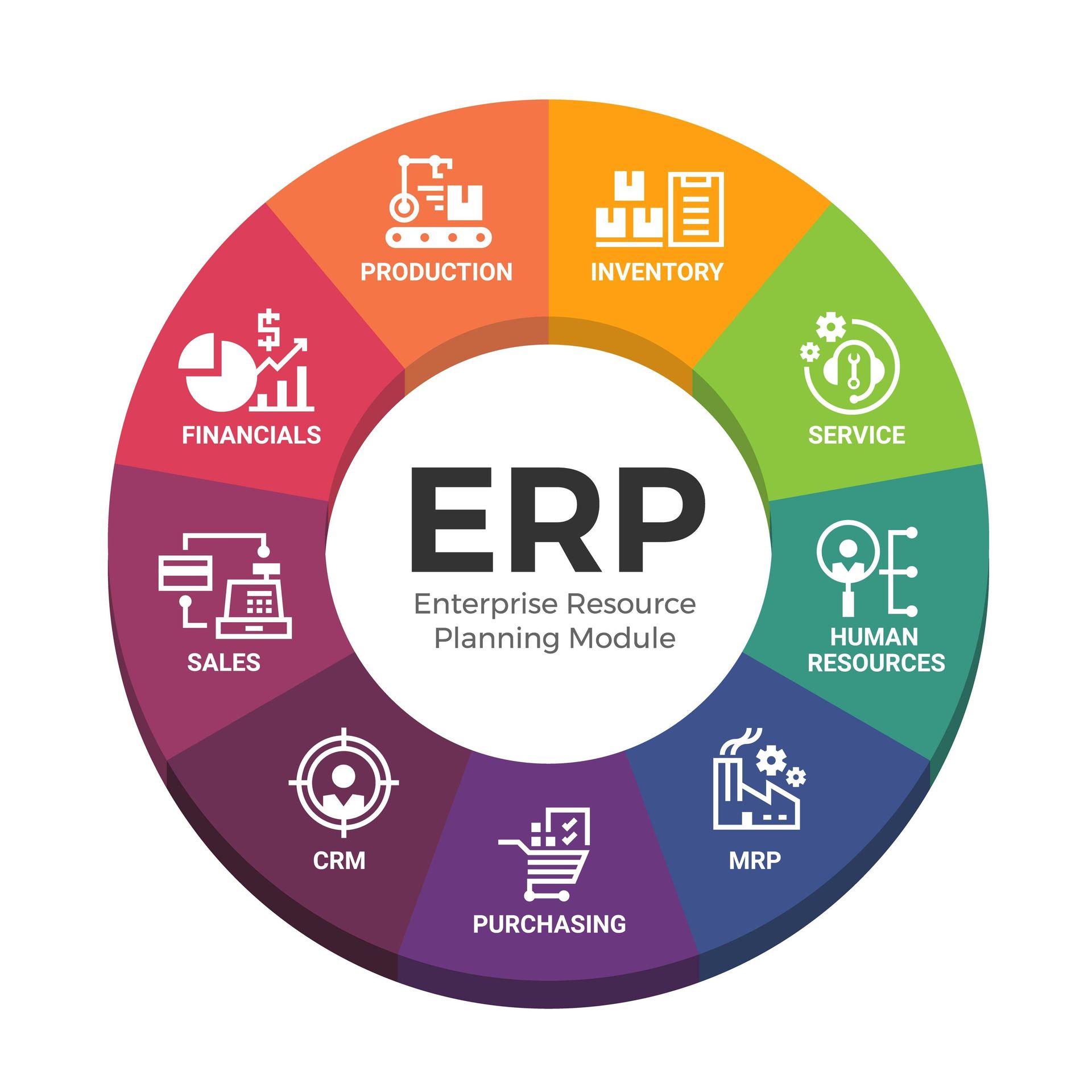
Common ERP modules
| Module | Manages |
|---|---|
| CRM | Customers and sales opportunities |
| Sales | Quotations, orders, sales revenue |
| Purchase | Purchasing and suppliers |
| Inventory | Warehouses and stock |
| Accounting | Invoices, receivables/payables, accounting |
| Manufacturing | Raw materials and production |
| HRM | HR |
| POS | Sales at stores, restaurants and points of sale |
Example of an end-to-end data flow:
For manufacturers:
How is ERP different from conventional management software?
| Standalone software | ERP |
|---|---|
| Focuses on one function: sales, inventory or accounting | Connects multiple functions on a single system |
| Data is scattered and must be re-entered many times | Data flows through the entire process |
| Hard to track activities across departments | Easy to track orders, stock, revenue and costs |
Benefits of ERP
- Centralized data: all departments work from a single source of data.
- Standardized processes: processing steps are designed and managed consistently.
- Less manual work: minimal re-entry of data across systems.
- Greater control: easy to track orders, stock, revenue and costs.
- Better decision-making: leaders access centralized data for analysis.
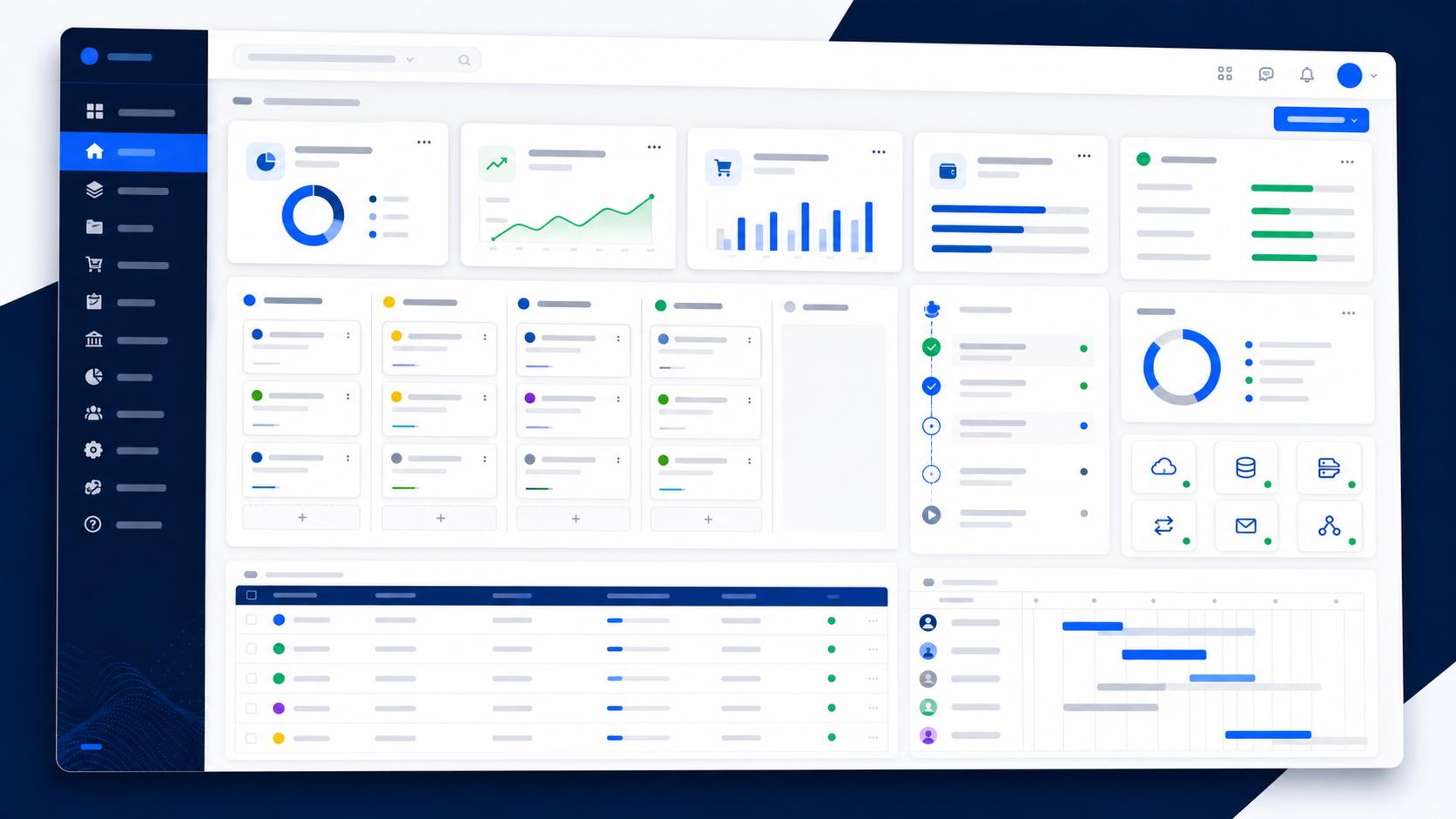
Is ERP right for every business?
Not every business needs ERP from day one. Consider ERP when you face issues such as heavy reliance on Excel, too many standalone applications, inconsistent data across departments, time-consuming report consolidation, or difficulty controlling stock, orders or receivables/payables. Learn more: 7 signs your business should implement ERP.
What is Odoo ERP?
Odoo is an integrated ERP platform with many applications such as CRM, Sales, Purchase, Inventory, Manufacturing, Accounting, POS and HR. Businesses choose the modules they need and connect them on one platform, e.g. CRM → Sales → Inventory → Accounting, or Sales → Manufacturing → Inventory → Accounting.
At ENTROSOFT, we consult on and implement ERP based on each business's actual processes — because an effective ERP is not about having lots of features, but about solving the right problem.
Frequently asked questions
What does ERP stand for?
ERP stands for Enterprise Resource Planning.
What modules does ERP include?
Typically CRM, Sales, Purchasing, Inventory, Accounting, Manufacturing, HR and POS, all sharing data with each other.
How does ERP differ from conventional management software?
Standalone software focuses on one function; ERP connects multiple functions on a single system, minimizing duplicate data entry.
Read more
- Chi phí triển khai ERP tại Việt Nam gồm những khoản nào? 7 khoản chính, cách dự trù và tối ưu
- ERP cho doanh nghiệp vừa và nhỏ: bắt đầu từ phân hệ nào, triển khai thế nào?
- So sánh Odoo và SAP Business One: nên chọn phần mềm ERP nào cho doanh nghiệp Việt Nam?
- Gói triển khai ERP nhanh hay ERP toàn diện: doanh nghiệp nên chọn gì?